The Amelia Conference June 19-21 + Provenance Research, Theory and Practice course in Amelia, Italy this summer.
Acknowledging the formidable challenge of searching for and reclaiming looted cultural assets, and understanding that the path to repatriation and restitution requires practical knowledge in conducting rigorous provenance research, the Association for Research into Crimes against Art (ARCA) has again joined forces with the US-based Holocaust Art Restitution Project, [Inc.] (HARP)* to present an immersive summer provenance course scheduled for: June 22 - June 26, 2026.
Course: “Provenance Research: Advances and Challenges in the 21st century”
Course and Conference Bundle Dates: June 19 - 26, 2026
Course Location: Amelia, Italy
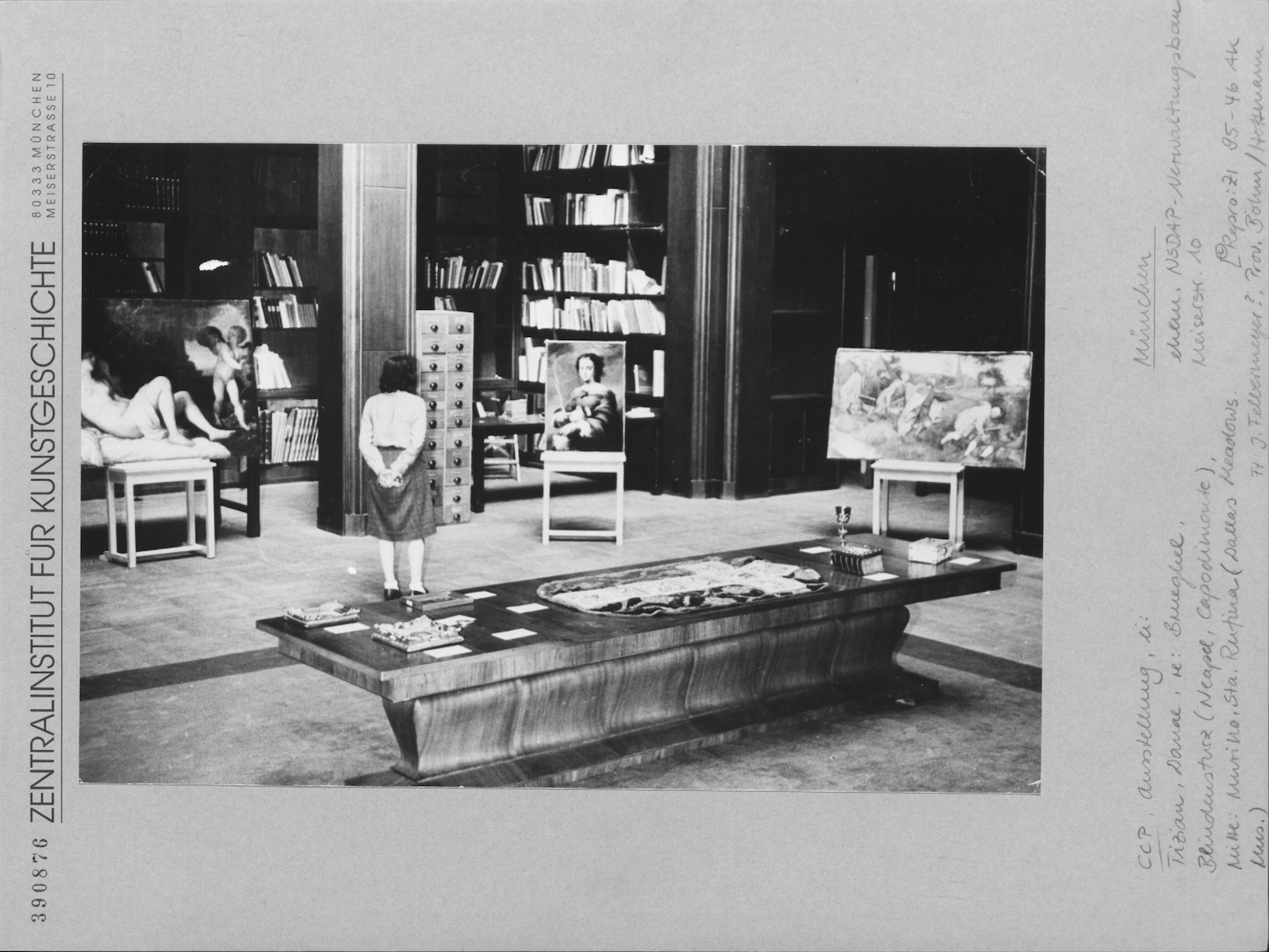
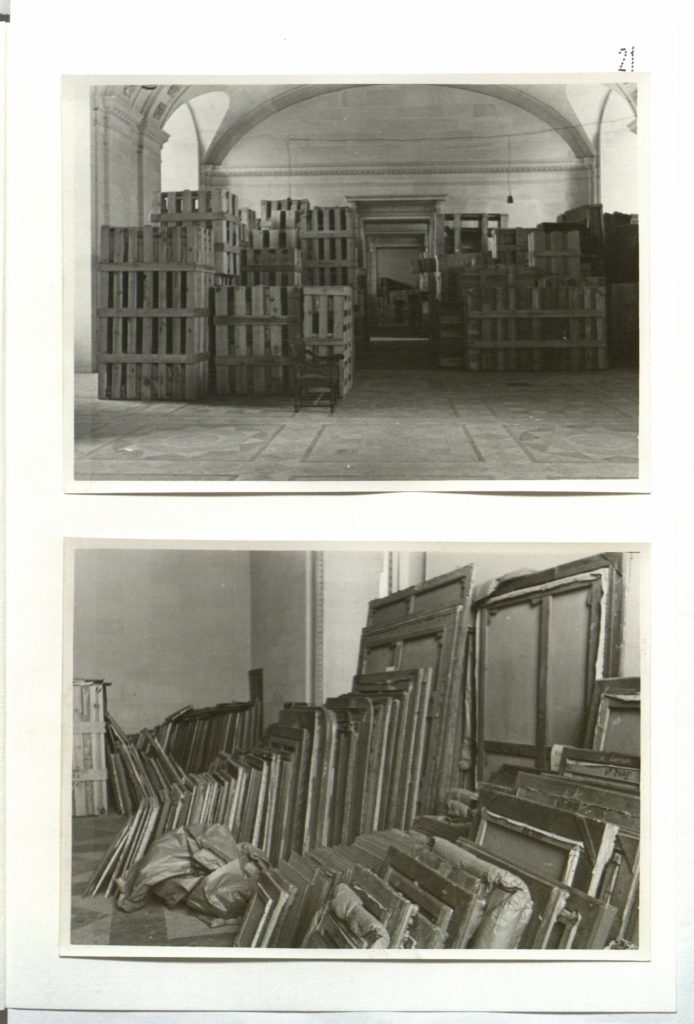
The Holocaust framed the physical destruction by the Nazis of more than 6 million Jewish men, women and children throughout Axis-occupied Europe. The Nazis also waged a relentless war against culture, resulting in crimes against the cultural rights of millions of people.
In 1998, the international community adopted a series of non-binding principles that recommend “fair and just solutions” to resolve ownership disputes involving art objects claimed by descendants of Jewish victims and largely located in private and public collections worldwide – 28 years later, it is grand time to assess how workable are these solutions and if they have genuinely served the interests of post-genocide justice.
Provenance research encapsulates the history of ownership of an art object from the time of its creation in an artist’s studio to the present. A rigorous approach to provenance research highlights evolving artistic inclinations and collecting preferences, both on an individual and institutional level. It also unravels the legal or illegal uses of that object throughout its ownership history.
This course will provide participants with the opportunity to engage in an intensive, guided, dynamic exchange of ideas on research methods while highlighting the multiple diplomatic, political and financial challenges which determine the fate of the contested objects. Special emphasis will be placed on the contextual framework of provenance research in an era increasingly reliant on digital tools and artificial intelligence.
This week-long course plus conference package begins with admission to ARCA’s annual Amelia Conference held on the weekend of June 19-21, 2026, where, over the course of one weekend course attendees can explore the indispensable role of detection, crime prevention, and scholarly and criminal justice responses, at both the international and domestic level, in combatting all forms of crime related to art and the illicit trafficking of cultural property.
After the conference, participants enrolled in this course will begin a five-day provenance course where they will explore the skills necessary for navigating the complexities of Holocaust-era provenance research. A portion of the curriculum will be reserved for a critical reading of the Washington Principles, as well as national and international legal frameworks, delving into their impact, and critically assessing their strengths and limitations in guiding restitution efforts.
Participants will have an opportunity to refine their expertise, contributing to the ongoing discourse on ethical and effective restitution practices within the realm of provenance research. The course will explore how scientific and technological advances help or hinder our knowledge of the history of objects, and if they bring us closer to a global resolution of Nazi looted art claims.
We will also examine advances in the growing field of provenance research and the remaining challenges that beset it. Notwithstanding the absence of standardised and universally accepted claims resolution processes, restitution and repatriation mechanisms will be discussed. Can research alone determine the fate of an object? What are the obstacles that stand in the way of justice for claimants and their heirs 81 years after the end of WWII?
This provenance course has several aims:
-to understand the process of displacement of cultural assets during the Nazi era (1933-1945) and other turbulent periods of history (colonial conquests, elimination of indigenous communities by settlers, contemporary conflict zones around the world) and how such displacements shape the history of artistic/cultural/ritual objects;
-to understand how cultural assets were spoliated and forcibly displaced during the Nazi era (1933-1945) and other turbulent periods of history (colonial conquests, elimination of indigenous communities by settlers, contemporary conflict zones around the world), how such translocations have shaped the history of artistic/cultural/ritual objects;
-to explore the varied approaches and methodologies that define provenance research, viz. the research into the history of ownership of an artistic/cultural/ritual object as well as the limitations inherent to kitchen-table research and reliance on artificial intelligence tools.
Profile of Attendees
With a consistent emphasis on an interdisciplinary and comparative approach, this provenance research course is suggested for anyone who wants to explore and discuss the praxis of cultural repatriation and restitution as an expression of post-genocide justice and cultural ethics.
Course Fee: €990**
This tuition fee covers twenty-five hours of interactive course lectures, two catered networking events, a bound and embossed professional development course completion certificate, and free advance registration and admission to ARCA’s annual Amelia Conference (a €170 value). Please note that housing, airfare to/from Italy, daily meals, living expenses, and transportation to/from Amelia are not included in this course package.
Instructor Profile:
This provenance research course is taught by Marc Masurovsky, co-founder of the Holocaust Art Restitution Project (HARP) and an instructor at ARCA since 2017. He co-created and managed the Jeu de Paume Database from 2007-2023 which houses more than 41000 datasets on art objects looted in Western Europe during WWII. He was the Director of the Provenance Research Training Program (PRTP) at the Prague-based European Shoah Legacy Institute (ESLI) and the former Academic Director of the Jewish Digital Recovery Project (JDCRP) – Pilot Project: The Fate of the Adolphe Schloss Collection. During the course of his rich career, Marc has been interviewed in numerous international publications and has featured in documentaries chronicling the Nazi-era art plunder most recently in The Spoils (2024) and Plunderer: The Life and Times of a Nazi Art Thief (2025). He is the editor of and principal contributor to the Plundered Art Blog since 2011. He is also the co-author with the late Fabrizio Calvi of Le Festin du Reich (Editions Fayard, 2006).
Financial Aid:
ARCA and HARP award a limited number of partial scholarships, available in the form of course fee reductions, for promising participants with financial need and superior academic credentials who might not otherwise be able to participate. These awards are expected to average €200 per needs-based applicant. Please write to us for more details.
Deadlines
June 15, 2026 – General Registration Deadline
June 20, 2026 – Course Tuition Due
Course Census Size:
Maximum: 15 participants
Minimum: Please note that enrolment minimums have been established for this course. Should enrolment for this course fall short of the prescribed minimum, this course may be subject to cancellation.
**No course fees will be invoiced until the census threshold has been achieved.
To register for this course or to ask general questions about the ARCA and HARP programming, please contact us at: programmes (at) artcrimeresearch.org

*The Holocaust Art Restitution Project (“HARP”), a not-for-profit group based in Washington, DC, is dedicated to the identification and restitution of looted artworks requiring detailed research and analysis of public and private archives in Europe and North America. HARP has worked for close to three decades on the documentation and restitution of artworks looted by the Nazi regime and their local collaborators.